Information
Landmark: Ecomuseum Marinha da TroncalhadaCity: Aveiro
Country: Portugal
Continent: Europe
Ecomuseum Marinha da Troncalhada, Aveiro, Portugal, Europe
Overview
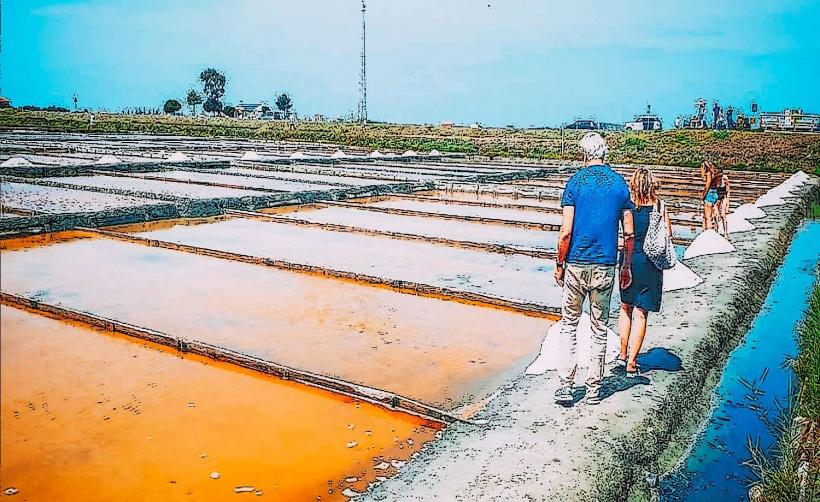
The Ecomuseum Marinha da Troncalhada sits in Portugal’s Aveiro region, tucked within the municipality of Estarreja, where the Ria de Aveiro’s calm waters glint in the sunlight, alternatively at the museum, you can explore the rare marshland ecosystem and step into the historic rhythms of life in the salt pans and fishing villages, where nets still smell faintly of the sea.It’s a venue where you can learn and explore, celebrating environmental care, the region’s history, and the salt trade that still shapes the local economy through sustainable methods, subsequently first, do this.The Ria de Aveiro, a shimmering coastal lagoon, winds its way along Portugal’s central shoreline, equally important for centuries, people have drawn salt from the lagoon, cast their nets for fish, and carried on other age-antique traditions under the luminous, salt-scented air, under certain circumstances This area shapes both the culture and the economy of the region, with its salt pans-known as Marinhas-gleaming in the sun as they have since Roman times, therefore in the 18th and 19th centuries, salt was worth its weight in gold, driving the region’s economy as it preserved food and fueled industry.The Ecomuseum Marinha da Troncalhada keeps that story alive, protecting the heritage of traditional salt harvesting and showing how people have shaped the local landscape, along with inside, visitors can explore hands-on exhibits, breathe in the tang of sea air, and learn about the area’s history, environment, and enduring traditions.The museum offers hands-on exhibits where you can trace the region’s ecology, watch salt crystals form, and discover the rich wildlife of the Ria de Aveiro, therefore visitors can notice how the local community has learned to thrive in the wetlands, from stilted homes to fishing in brackish water, and the museum’s highlight is its display on traditional salt-making, where coarse crystals glint under the light.Curiously, At the museum, you’ll witness how workers gather salt from sunlit pans using time‑honored, eco‑friendly methods passed down for generations, not only that along the way, it drives home the need to protect fragile wetlands and live sustainably, fairly The museum teaches visitors about the fragile balance between human life and environmental care in the Ria de Aveiro, then invites them outside to wander sandy trails and join guided walks through the surrounding marshes, what’s more winding through the marshlands, these trails lead visitors into a patchwork of ecosystems where herons lift off from the reeds and lilies drift on still water, making it a prime spot for birdwatchers, especially when migration fills the sky.The museum hosts birdwatching outings, inviting visitors to spot the herons, ducks, and other species that nest or pause in the wetlands, furthermore it’s set in a warm, eco-friendly building whose wood and stone seem to grow right out of the surrounding landscape.The museum’s design draws on local traditions and materials, with curves and pale stone that recall the salt pans, narrow canals, and wide, quiet marshes, in addition the space is designed as a sustainable learning hub, showing how architecture can live in harmony with nature-like sunlight spilling through a roof of green leaves, occasionally Number four, and at the Ecomuseum Marinha da Troncalhada, you’ll find hands-on workshops and engaging programs designed for local schools and community groups, where students might even taste the salt straight from the drying pans.These programs aim to spark awareness about the environment, highlight why wetlands matter, and share practical, sustainable ways-like planting native reeds-to protect the region’s ecosystems, also the museum hosts hands-on workshops on traditional craftsmanship, salt harvesting, and environmental education, where you might even feel the coarse salt between your fingers.Through hands-on activities, visitors can step right into the region’s cultural and natural heritage-students, for instance, might trace the story of salt from shimmering pans to local tables while exploring how people and nature shape each other, then the museum invites discovery in many ways: guided tours led by knowledgeable staff weave through the museum, nearby salt flats, and wetlands, sharing the area’s history, wildlife, and centuries-vintage harvesting techniques, more or less At times, music drifts from cultural festivals, exhibitions showcase local crafts, and traditions come alive, to boot all the while, the Ecomuseum Marinha da Troncalhada actively champions sustainability and the care of its environment.The museum partners with local groups and conservationists to safeguard the Ria de Aveiro and its rich wetlands, where herons skim the water at dawn, also it champions sustainable tourism and the careful use of the area’s natural resources, kind of It invites visitors to embrace eco-friendly habits-like reducing plastic waste-and sparks awareness about why wetlands matter, in addition the Ecomuseum Marinha da Troncalhada blends education, nature, and culture into a single experience, offering anyone curious about Aveiro’s traditions and environmental stewardship a location to learn and connect.The museum highlights the story of salt production, the richness of local wetlands, and the importance of sustainability, drawing visitors into the sparkle of shallow salt ponds and the deep roots of the region’s heritage.
Author: Tourist Landmarks
Date: 2025-08-26